
Is Picky Eating Normal? 9 Reassuring Lessons for Parents of Toddlers
January 13, 2026
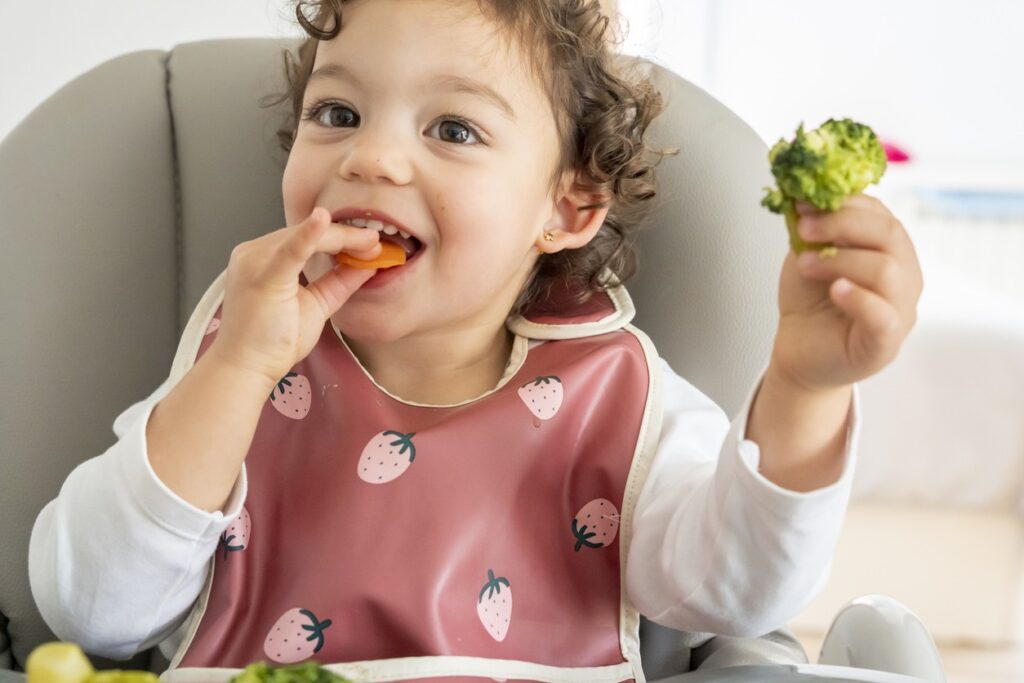
Learn what’s behind picky eating, when to worry (and when not to), and simple ways to support your toddler’s relationship with food without pressure or power struggles.
Starting solids can be both exciting and challenging for babies and toddlers and their families. Many parents and caregivers find themselves worrying when their baby or toddler suddenly refuses foods they used to love, avoids fruits and vegetables, or insists on eating the same meal over and over. Add in big emotions and mealtime power struggles, and it’s natural to wonder if this normal or something to be concerned about?
To help families make sense of these common feeding challenges, Rocky Mountain Human Services (RMHS) offers Picky Eaters, a class for parents and caregivers of young children. The class, taught by an RMHS Speech-Language Pathologist with expertise in feeding best practices, is available to families living in the City and County of Denver with children under the age of five. While open to anyone with a child eating solids, the class is most commonly attended by families with children 18 months and older.
Here are nine key takeaways from the Picky Eaters class to help caregivers better understand feeding development and feel more confident at mealtimes.
9 Tips for supporting picky eaters
1. Picky Eating is a Normal Part of Development
Picky eating is common in toddlers and young children. Learning to eat involves far more than simply liking food – it requires children to develop oral motor skills like chewing and swallowing, adjust to new textures and tastes, and coordinate fine and gross motor movements.
Taste development also plays a role. For example, taste buds develop at different rates and sensitivity to bitter flavors often develop last, typically around age two. This can make vegetables especially challenging during the toddler years. At the same time, toddlers have very little control over their daily lives, and food often becomes one area where their desire for choice and independence shows up.
Evolving food preferences, even from day to day, are a normal part of this developmental stage and do not indicate a developmental delay.
2. Typical Picky Eating Looks Different Than Problem Feeding
One of the biggest goals of the Picky Eaters class is to help caregivers understand the difference between typical picky eating and feeding challenges that may require additional support.
Typical picky eating may include:
- Strong food preferences that change often
- Avoiding certain textures or foods
- Trying a new food once and refusing it later
- Eating a limited but growing range of foods
- Continued and healthy weight gain
Signs that feeding concerns may require additional support:
- Eating fewer than 10 foods total
- Poor weight gain or growth concerns
- Medical red flags such as reflux or chronic constipation
- Significant stress or distress around meals
The Picky Eaters class focuses on typical picky eating and helps caregivers recognize when feeding patterns are developmentally expected and when additional support may be helpful. Families with concerns about weight, nutrition, or underlying medical issues are encouraged to speak with their pediatrician or a feeding specialist for individualized guidance.
3. Focus on the Big Picture Rather Than One Meal or One Day
It’s easy to panic after a meal where your child eats little or nothing. The class encourages caregivers to look at patterns over time, not individual meals.
Children often eat different amounts at different times of day and may go through short phases of food “burnout.” Teething, illness, growth spurts, and developmental changes all affect appetite.
Try evaluating intake over the course of a week, rather than a single meal.
4. Giving Children a Role in Food Prep Builds Buy-In
Involving children in meal preparation helps them feel more invested and gives them a sense of control over mealtimes.
Age-appropriate ways to include children might include involving them in the following:
- Stirring ingredients
- Tossing items into a bowl
- Setting the table
- Choosing which plate or cup to use
Even small choices can reduce power struggles and make mealtimes feel more collaborative.
5. Food Play Is a Powerful and Valid Feeding Strategy
Food play helps children explore food in a low-pressure way and builds familiarity before eating occurs. Interacting with food via touching, smelling, and licking are all steps toward eating.
Examples of fun food play shared in the class include:
- Turning broccoli into a “tree” and dipping the “leaves” in ranch
- Cutting fruit in half and using the pieces as stamps
- Pretending crackers or goldfish need help “not swimming away”
The goal is interaction, not consumption, which helps to create a positive association with meals.
6. Avoid Force Feeding or Pressure
Forcing a child to eat, whether by putting food in their mouth or insisting they “just take one bite,” can backfire.
Pressure-based feeding can:
- Create negative associations with food
- Increase refusal and anxiety
- Lead to long-term food aversions
Supporting bodily autonomy helps children develop a healthier, more trusting relationship with food over time.
7. Structure and Consistency Matter at Mealtimes
Children thrive on predictability. The class emphasizes consistent routines and clear expectations before, during, and after meals.
Helpful guidelines include:
- Keeping meals around 15–20 minutes (30 minutes max)
- Offering three meals and two snacks per day at consistent times
- Avoiding grazing between meals
- Sitting and eating together when possible
If a child leaves the table, it’s okay to treat that as the end of the meal until the next scheduled snack or mealtime. Caregivers are encouraged to calmly confirm, for example:
“If you’re all done, I’m going to put this away.”
8. Listen When Your Child Communicates That They’re Done
Children communicate in many ways including through words, signs, body language, fussing, or squirming. Recognizing and respecting these signals builds trust and reduces power struggles. So, if your child is communicating that they are done, confirm by asking, “Are you saying you’re all done? If so, I will put this away now. We won’t eat again until our next time snack time.” Then, uphold that expectation, gently reminding your child that they said they were done.
Consistently responding to cues helps children learn to listen to their own hunger and fullness signals.
9. Progress Takes Time and That’s Okay
Feeding development is often a trial-and-error process. Exposure matters, and children may need to see or interact with new food many times before accepting it.
Many children become less picky around ages three to four, though this timeline varies widely. What matters most is maintaining a calm, supportive environment where food feels safe and predictable. To ensure the mealtime environment feels calm and supportive, be sure to maintain a consistent schedule of meals, eat in the same place, and encourage your child to interact with the food through food play, even if that means your child doesn’t ultimately consume the food.
Support Beyond the Class
If you’re still feeling unsure after the class, or if something about your child’s eating feels concerning, you don’t have to figure it out alone. Families who attend Picky Eaters can choose to connect one-on-one with an RMHS speech-language pathologist to talk through specific questions or concerns. Additional support is also available through RMHS’s Developmental Monitoring Program for Denver families with children under the age of five, with most families participating in one or two follow-up sessions based on their needs.
You’re Not Alone in This Stage
If feeding feels stressful or confusing, know that you’re not failing and your child isn’t either. Picky eating is a common part of early childhood, and with the right tools and support, most families find their way through it.
To learn more about upcoming Picky Eaters classes or other Denver Early Steps offerings, visit the RMHS website, which includes a calendar of upcoming classes for Denver families with children ages 5 and under.