

Filter by Category




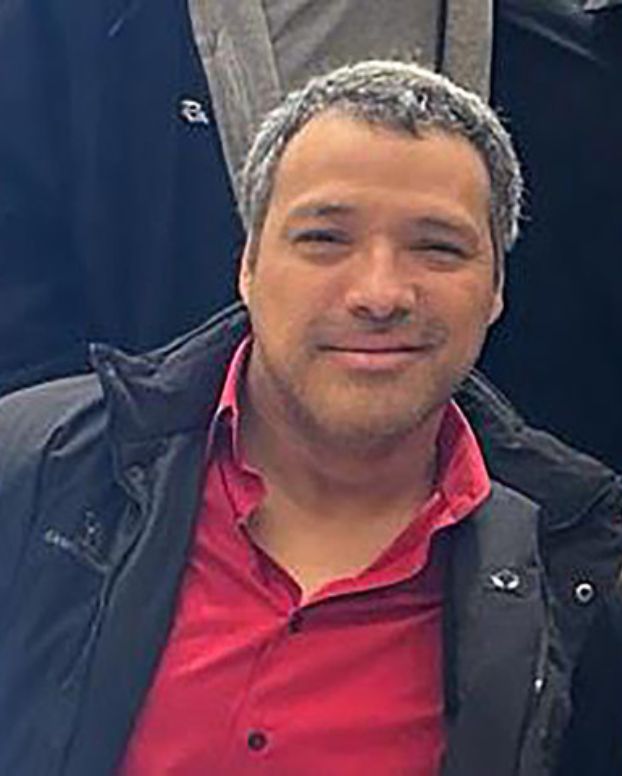
Jose is currently the Co-Executive Director of El Grupo Vida, a member of the Developmental Disabilities Council, Chairman of the COPA board of directors, and wears other hats. For the 14 years prior he served as the Information Technology Manager, and a Volunteer Non-Attorney Advocate & Volunteer Lobbyist for the Colorado Cross-Disability Coalition (CCDC).
Jose brings his expertise with IT from 14 years of experience as an Independent Contractor and serving in other technical roles. With degrees in Advanced Computer & Internet Systems and International Law, certification as a Non-Attorney Advocate by CCDC, and multilingual communication in English, Spanish, Italian, Portuguese, as well as legal language, Jose offers a strong ability to analyze and comprehend various communications. In addition, Jose has also previously served as a participant of Participant Directed Programs Policy Collaborative (PDPPC) and many other boards and commissions for different state departments.
Jose spends a great deal of time reading about politics, geopolitics, current international affairs, sociology, applied physics and quantum physics, and enjoys watching movies, especially comedy, romantic comedy, martial arts and specific action-thrillers. Jose’s family spans from Guatemala to Norway, although still remains close. His nephew has undiagnosed Autism, which he found out while collaborating as a CCDC Non-Attorney Advocate with The Autism Society of Colorado.
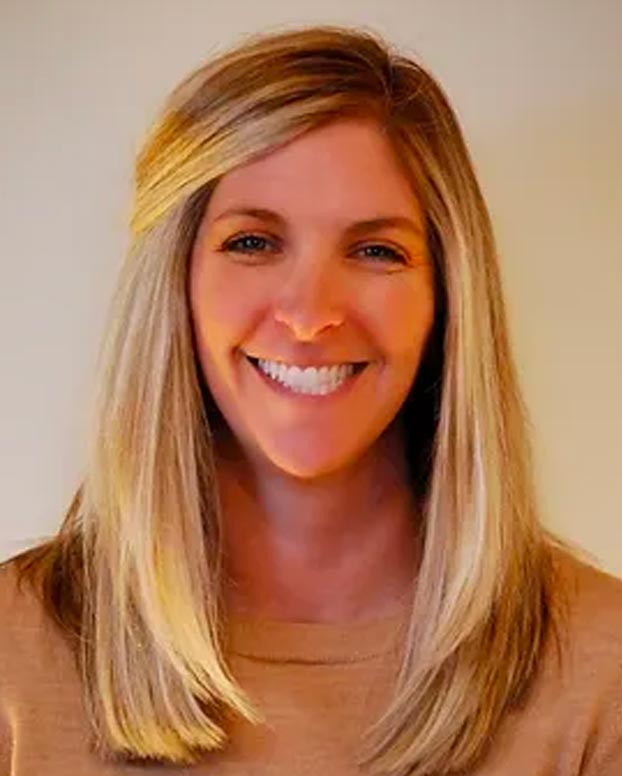
Lorin is the Executive Director and founding member of The Windmill School – a nonprofit, inclusive K-5 school where she is responsible for the development, launch, and implementation of school policies and procedures. Lorin received her Master’s in Education and Couples and Family Therapy from the University of Oregon. Prior to the Windmill school, Lorin worked as a project manager for the Aurora Mental Health Center.
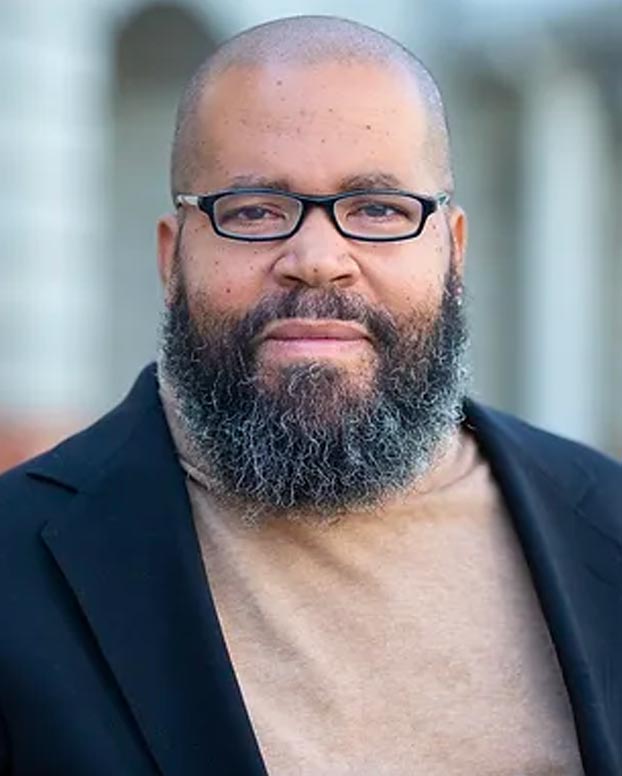
Stewart Tucker Lundy is a graduate of Howard University, and he brings a broad and deep history of community service to the RMHS board. Mr. Lundy is a board member and actor for the Phamaly Theatre Company. He served for six years on Blueprint Denver, a city planning, land use and transportation task force. Additionally, he served as a commissioner on the Denver Commission for Persons with Disabilities for five years.
Mr. Lundy was appointed to the RMHS Board beginning April 1, 2021.
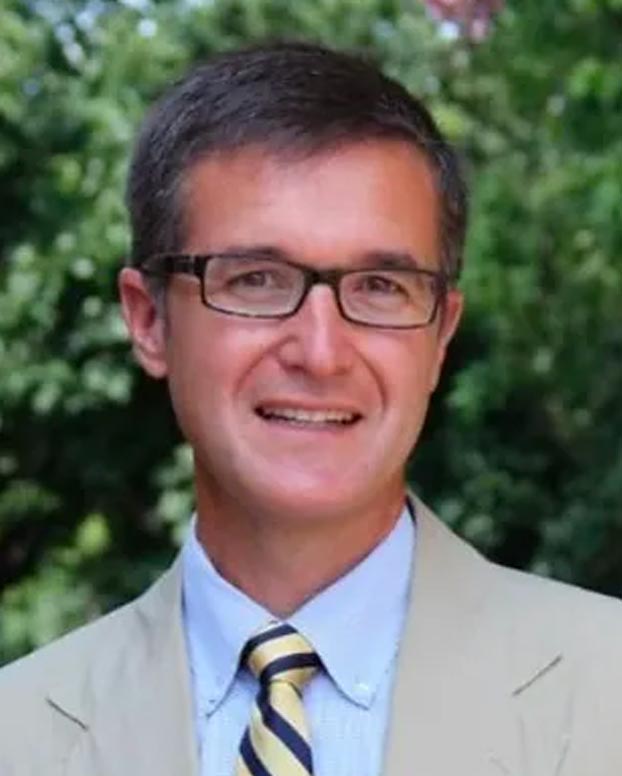
Joseph Derdzinski is a senior international development and governance adviser, an associate professor of political science, and a member of organizations that promote the support of persons with developmental disabilities. Joseph earned his Doctor of Philosophy from the Josef Korbel School of International Studies at the University of Denver, a Master of Arts in Russian and East European Studies from the University of Texas at Austin, a Master of Science in International Relations from Troy University and an undergraduate degree from the University of Wisconsin at Madison.
His research and consulting interests center on the study of the political processes of post-authoritarian states, and how political institutions can be employed to reduce violence. Joseph served on observation missions for the recent, highly-fraught elections in Egypt and Afghanistan, and conducted and published research to help the Ukrainian government develop an accountable national guard. During the 2016-17 academic year, he taught courses on international politics, the politics of Africa, and comparative politics.
Prior to entering academe, Joseph was a U.S. Air Force officer, where he worked extensively with security service colleagues throughout northern Europe. He also led the first US military security detachment in Bosnia during NATO’s implementation of the Dayton Peace Agreement, where he worked with Bosnia’s security services in their post-conflict transition.
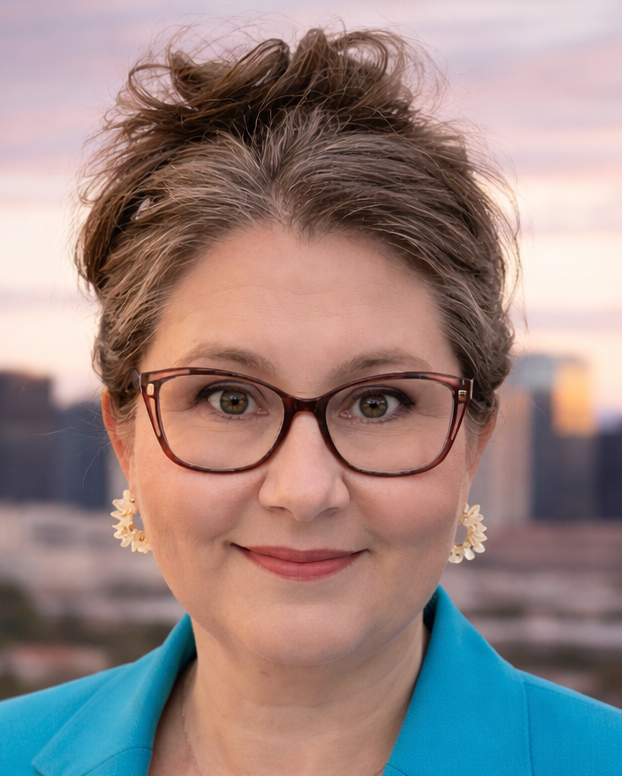
My connection to Colorado’s long-term care system began unexpectedly in the 1980s when I accompanied my mother to work at the Grand Junction Regional Center, an institution in Western Colorado serving people with intellectual and developmental disabilities. This experience ultimately served as the foundation for my professional career.
Over the past 35 years, I have worked across nearly every level of the long-term care system, starting as a Direct Support Professional and progressing through case management, executive leadership, and state policy roles. My experience includes more than 15 years in executive leadership positions and six years working on Medicaid policy with the State of Colorado.
Having served rural and urban communities, as well as within provider organizations, case management agencies, and state government, I bring a broad systems perspective to the challenges and opportunities facing long-term services and supports. My work has focused on strengthening service delivery systems, improving organizational effectiveness, and advancing policies that support individuals with disabilities and older adults.
Today, I continue to support organizations and system leaders to improve operations, navigate complex policy environments, and achieve better outcomes for the people and communities they serve. I am honored to bring this experience to the Rocky Mountain Human Services Board of Directors and support its mission of embracing the power of community to help individuals and families create their future.
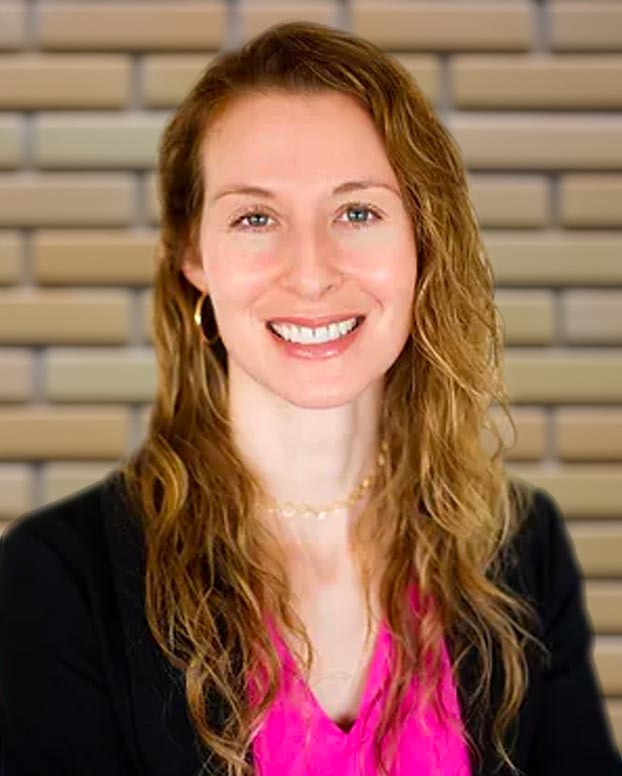
Mara Kailin is a licensed bilingual clinical psychologist with extensive experience in behavioral health treatment with underserved and diverse populations, as well as administrative and leadership experience with a large nonprofit organization. Dr. Kailin currently serves as the Chief Clinical Officer at Aurora Mental Health Center with oversight of approximately 700 staff in nearly 50 different programs in dozens of clinics in the community. She has a PsyD from Rutgers University and a BA from Wesleyan.